During a hot Minnesota summer, your air conditioner may run more frequently than usual. However, if it seems like your system never shuts off, there could be an underlying problem affecting its performance.
An air conditioner that runs constantly may still keep your home cool, but it can use more energy, increase monthly utility costs, and place unnecessary stress on important components. Understanding the potential causes can help you determine whether your system needs a simple adjustment or professional service.
Is It Normal for an Air Conditioner to Run All Day?
An air conditioner may run for longer periods during extremely hot or humid weather. This is especially common during July, when outdoor temperatures in the Twin Cities can remain high throughout the afternoon and evening.
Long cooling cycles are not always a sign of trouble. In fact, a properly sized air conditioner may run steadily to maintain a consistent indoor temperature.
However, your system should usually reach the thermostat setting and take occasional breaks. If it runs continuously without cooling your home effectively, it is time to investigate.
Common Reasons Your AC Keeps Running
The Air Filter Is Dirty
A clogged filter limits the amount of air moving through your HVAC system. When airflow is restricted, your air conditioner must work harder and run longer to cool the house.
Check your filter and replace it if it appears dirty. Homes with pets, allergies, remodeling dust, or frequent HVAC use may need filter changes more often.
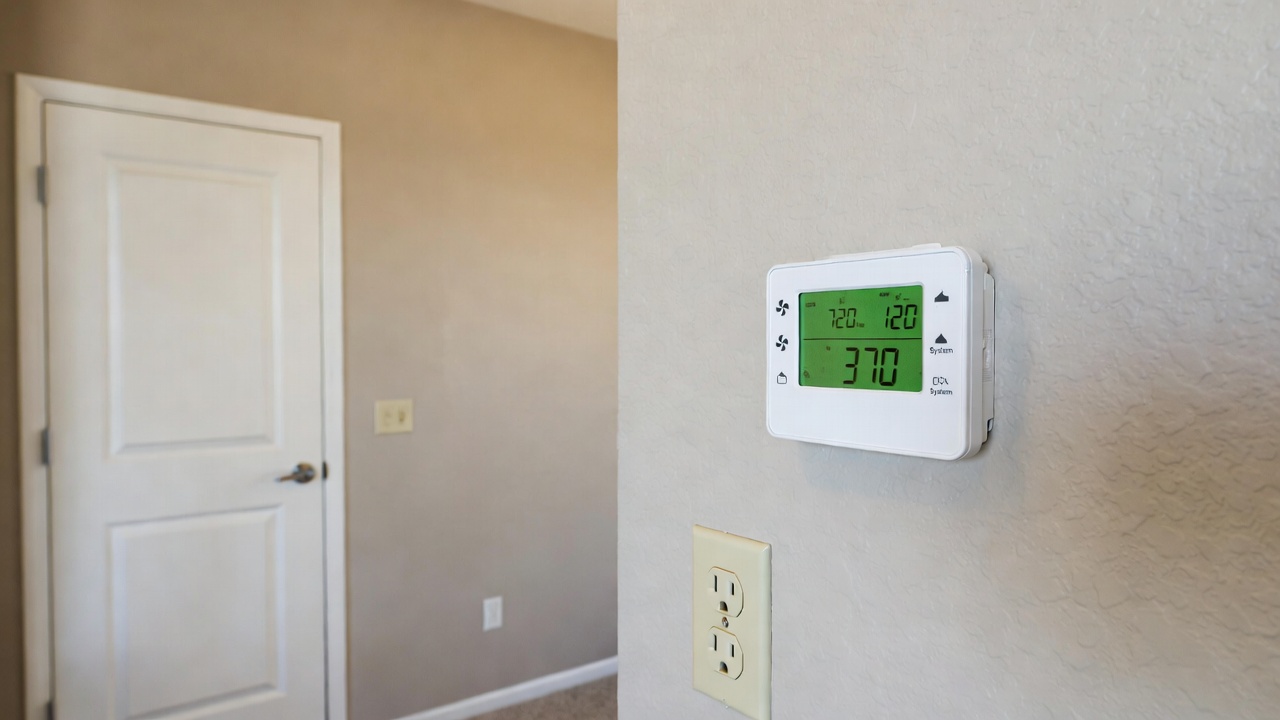
The Thermostat Setting Is Too Low
Setting the thermostat significantly lower does not cool your home faster. It simply tells the air conditioner to continue operating until it reaches that temperature.
On particularly hot days, your system may have difficulty maintaining a setting that is much lower than the outdoor temperature. Raising the thermostat by a few degrees may provide relief without sacrificing too much comfort.
Vents or Registers Are Blocked
Furniture, rugs, curtains, and other household items can block supply or return vents. Restricted vents reduce airflow and may create hot or cold areas throughout the home.
Walk through each room and confirm that vents are open and unobstructed. Avoid closing several vents in unused rooms, since doing so can interfere with the system’s intended airflow.
The Outdoor Unit Needs Attention
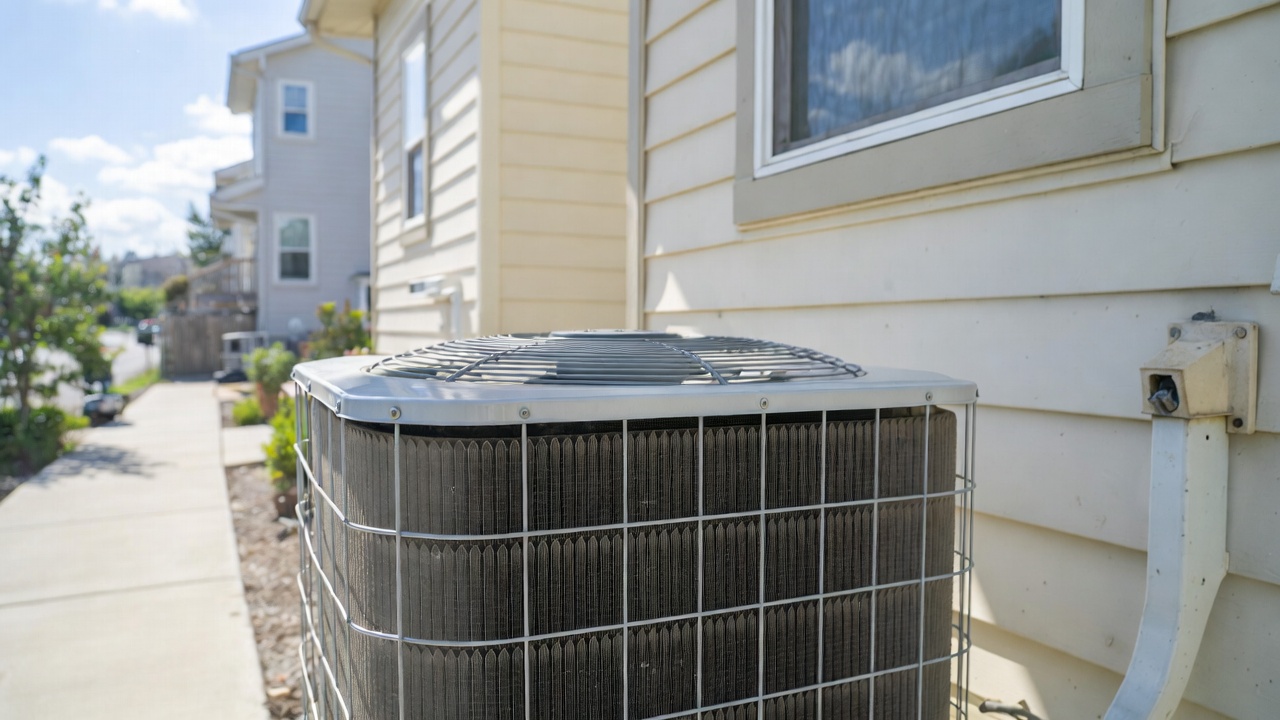
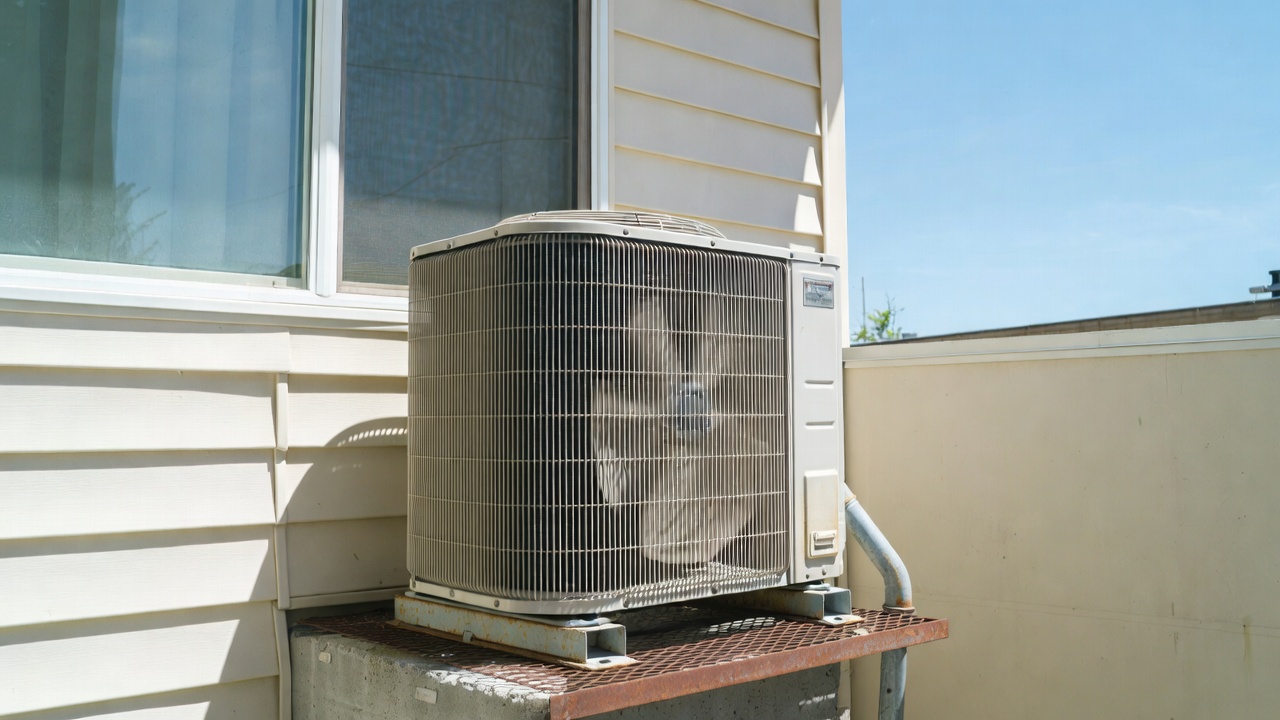
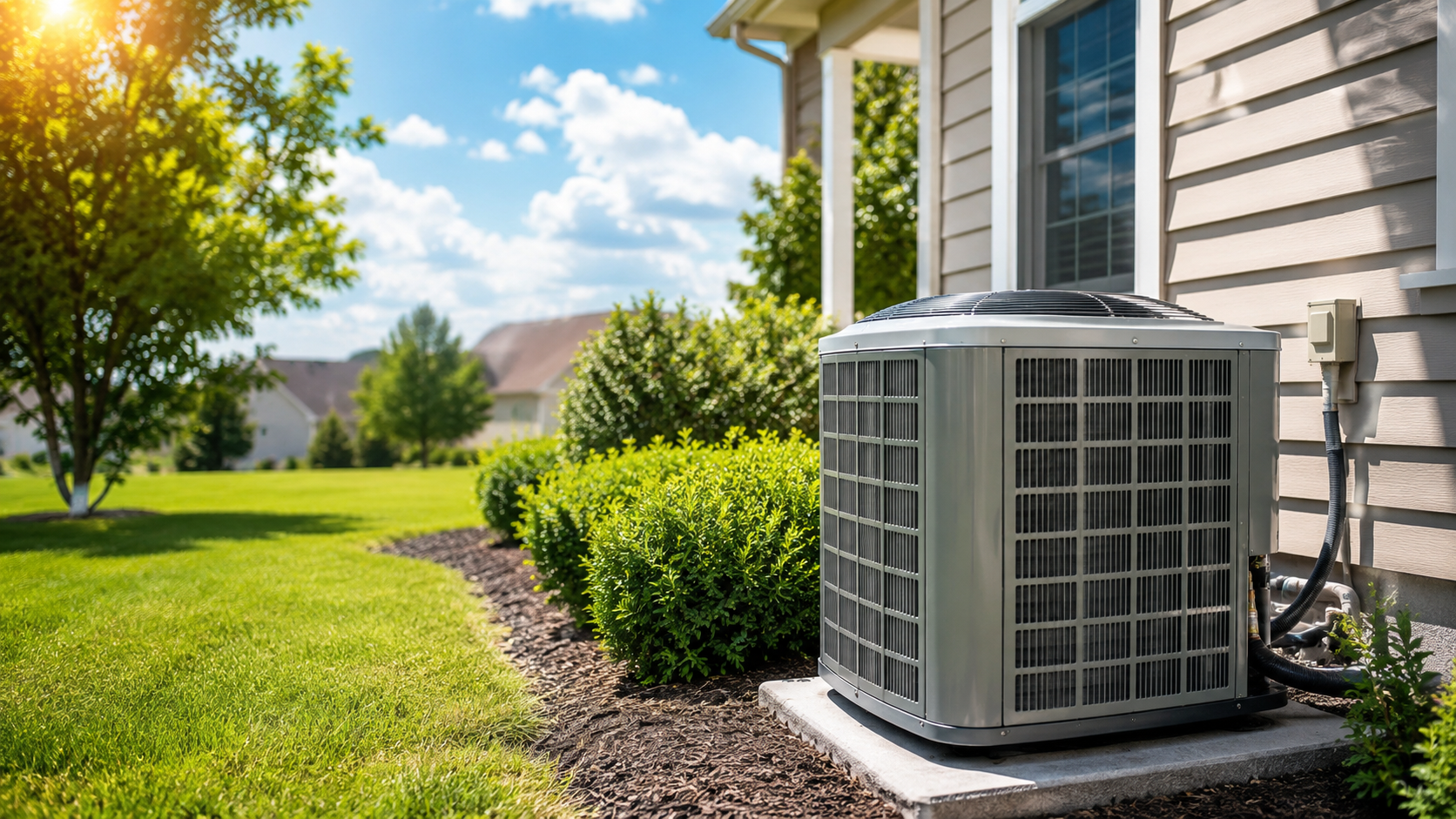
Your outdoor AC unit releases heat collected from inside the home. Grass clippings, leaves, dirt, and other debris can collect around the equipment and make that process more difficult.
Keep the area surrounding the unit clear. Do not open the equipment or attempt to clean internal electrical components yourself. Those tasks should be handled by a trained HVAC technician.
Your Home Has Air Leaks
Warm outdoor air can enter through gaps around windows, doors, attic access points, and other areas. At the same time, cooled air may escape.
Air leaks make it harder for your home to maintain a comfortable temperature. Weatherstripping, caulk, insulation improvements, and properly sealed ductwork may help reduce unwanted heat gain.
The Air Conditioner Needs Repair
Low refrigerant, a dirty evaporator coil, electrical problems, failing motors, and other mechanical issues can cause an air conditioner to run continuously.
These problems are not always visible to homeowners. A professional diagnostic visit can identify the cause and determine whether a repair is needed.
The System Is Too Small or Too Old
An undersized air conditioner may not have enough capacity to cool the home during peak summer weather. An aging unit may also lose efficiency as components wear down.
If your system requires frequent repairs, struggles to maintain comfortable temperatures, or causes unusually high cooling bills, replacement may be worth discussing.
What Should You Do Before Scheduling Service?
Start with a few simple steps:
- Check and replace the air filter.
- Confirm that the thermostat is set to cooling mode.
- Raise the temperature setting by two or three degrees.
- Open and uncover all vents and registers.
- Clear debris from around the outdoor unit.
- Close windows and exterior doors.
If the system continues running without cooling your home properly, professional service is the safest next step.
Frequently Asked Questions
How long should an air conditioner run during the summer?
Cooling cycles commonly last between 15 and 20 minutes, but they may be longer during hot or humid conditions. System size, home insulation, thermostat settings, and outdoor temperatures can all affect cycle length.
Should I turn off my AC if it is running constantly?
If the system is producing warm air, making unusual noises, leaking water, or showing signs of ice, turn it off and contact an HVAC professional. Continuing to operate a malfunctioning system may cause additional damage.
Can AC maintenance fix long cooling cycles?
Maintenance can address common performance issues such as dirty components, restricted airflow, loose connections, and incorrect system operation. A technician can also identify repairs that require additional service.
Keep Your Home Comfortable This July
An air conditioner that runs constantly should not be ignored, especially if your home is still warm. Home Care Heating and Air provides professional air conditioning maintenance, repair, and replacement services for homeowners throughout the Twin Cities area.
If your AC cannot keep up with the July heat, schedule an appointment with Home Care Heating and Air. Our team can inspect your system, explain what is happening, and recommend an appropriate solution for your home.