Summer comfort is about more than the number displayed on your thermostat. When indoor humidity rises, a home can feel warm, sticky, and uncomfortable even when the air conditioner is running.
Minnesota summers can bring significant heat and moisture. If your home feels damp or takes a long time to cool, indoor humidity may be part of the problem.
Here is how humidity affects your home, what may be causing it, and what you can do to create a more comfortable indoor environment.
What Is a Good Indoor Humidity Level in the Summer?
Most homes feel comfortable when indoor relative humidity remains between 30 and 50 percent. During the summer, keeping it closer to the middle or lower end of that range may make the air feel cooler.
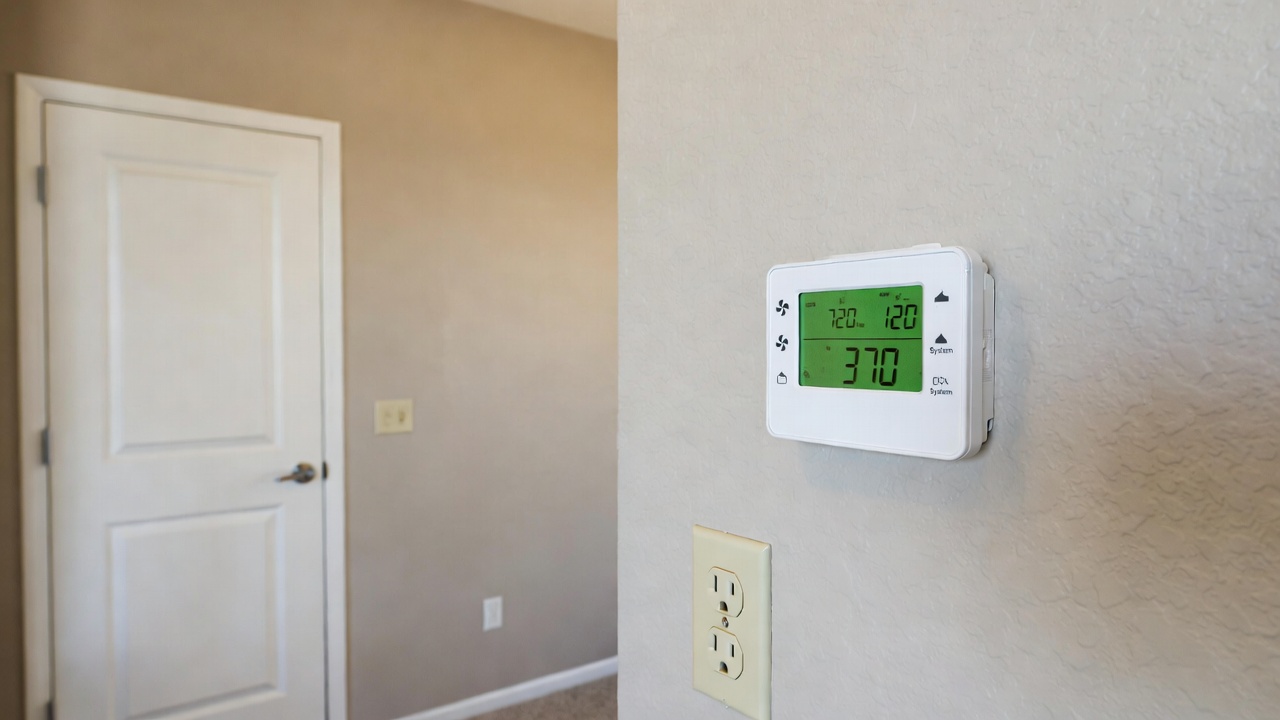
A small digital humidity monitor, sometimes called a hygrometer, can help you track conditions. Many modern thermostats also display indoor humidity.
Humidity readings can change throughout the day. Check the level at several different times to get a more complete picture.
How Can You Tell If Your Home Is Too Humid?
Common signs of high indoor humidity include:
- Air that feels sticky or heavy
- Condensation on windows
- Musty odors
- Dampness in basements or lower levels
- Uneven comfort between rooms
- An air conditioner that runs for long periods
- Visible moisture around vents or windows
- Mold or mildew in moisture prone areas
These symptoms can have several possible causes. If the problem continues, a whole home comfort evaluation can help identify where the moisture is coming from.
Why Is My House So Humid When the AC Is Running?
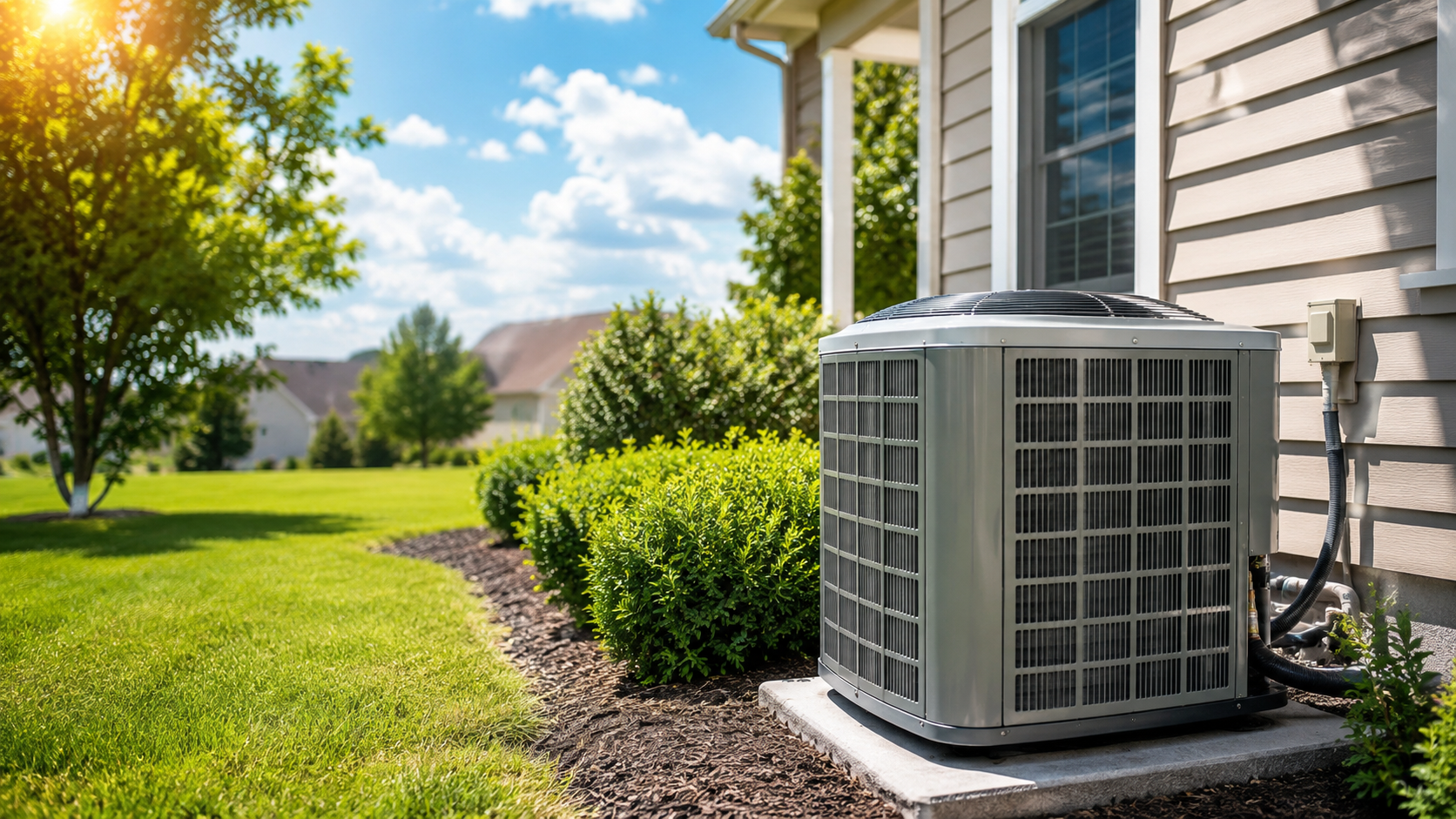
Your air conditioner cools and dehumidifies the air at the same time. Warm indoor air moves across the system’s cold evaporator coil, where some moisture condenses and drains away.
If the system is not removing enough moisture, one of the following issues may be responsible.
The Air Conditioner Is Oversized
A system that is too large may cool the house very quickly and shut off before it has enough time to remove moisture. This is called short cycling.
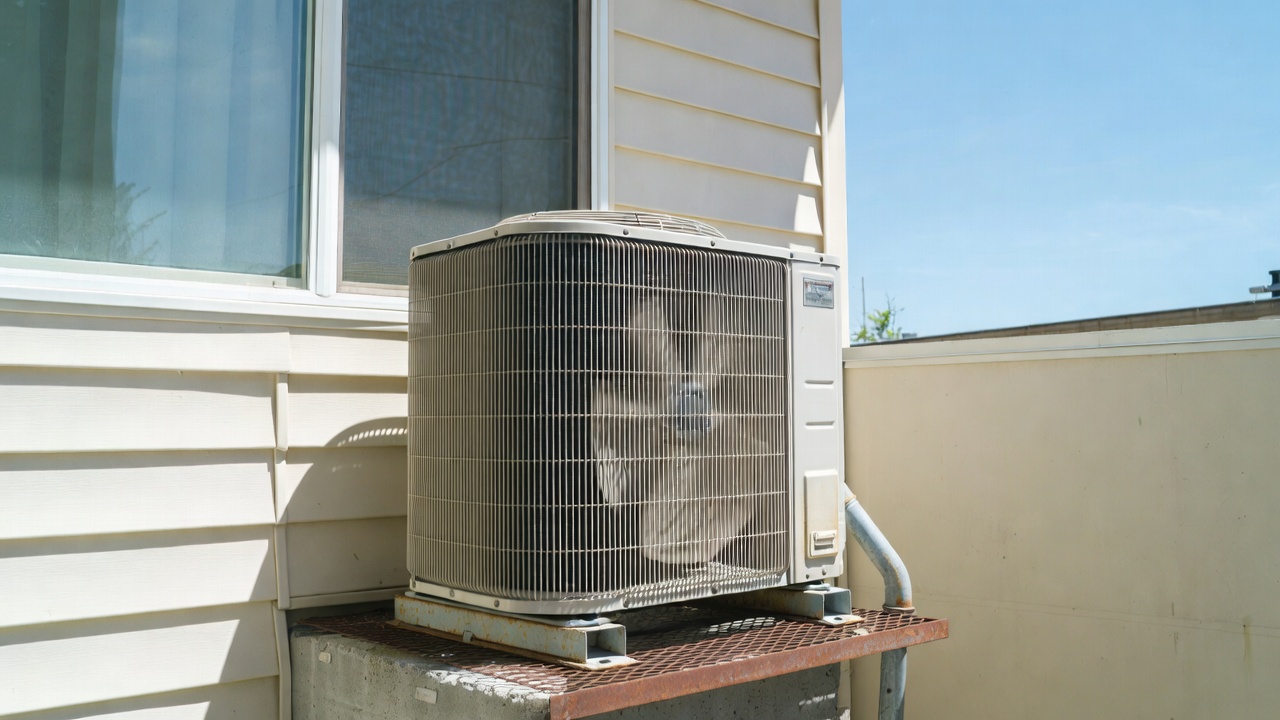
Bigger is not always better when it comes to cooling equipment. Proper sizing is essential for temperature control, humidity management, efficiency, and system longevity.
The System Needs Maintenance
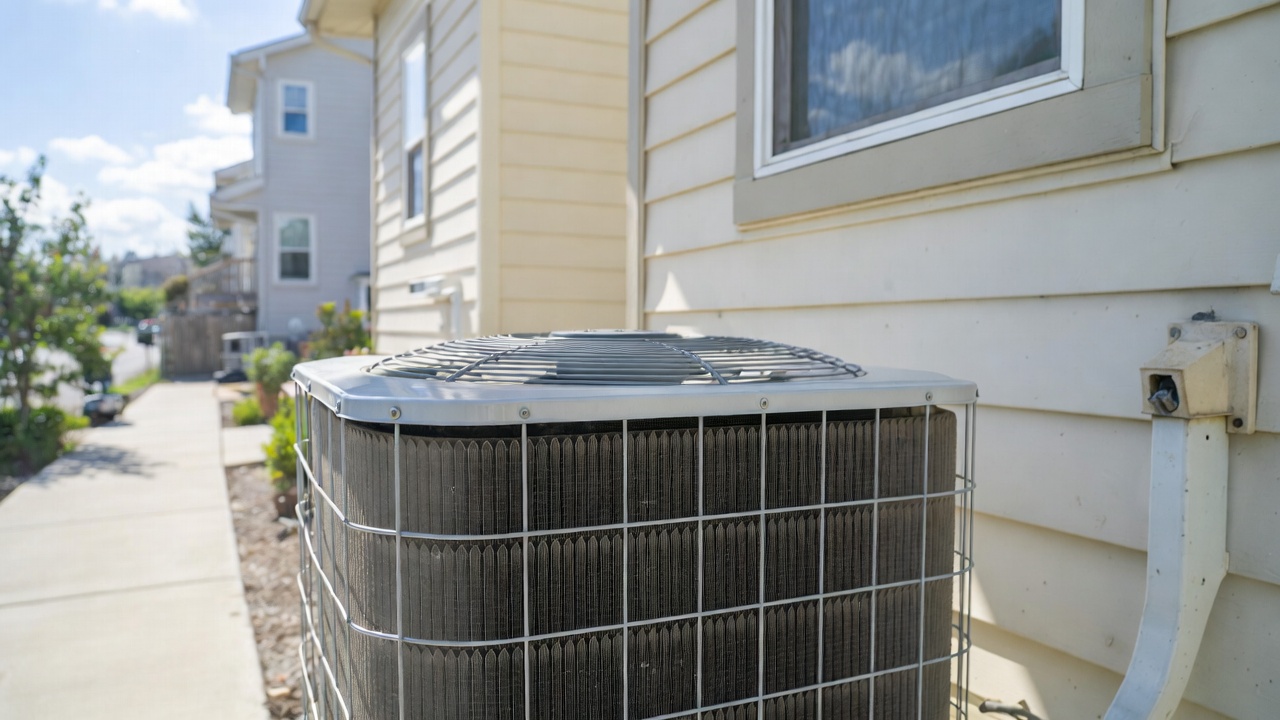
Dirty coils, clogged filters, drainage problems, and restricted airflow can affect how well an air conditioner cools and removes moisture.
Professional maintenance can restore proper operation and identify developing problems before they lead to a breakdown.
Outdoor Air Is Entering the Home
Gaps around windows, doors, attic openings, and other areas can allow warm, humid air to enter. Leaky ductwork can also pull air from an attic, garage, crawl space, or other unconditioned area.
Sealing air leaks can reduce moisture infiltration while helping your HVAC system operate more efficiently.
Everyday Activities Are Adding Moisture
Cooking, showering, washing dishes, drying laundry, and even breathing add moisture to indoor air. These normal activities can become more noticeable when ventilation is limited.
Use bathroom exhaust fans during showers and leave them running for several minutes afterward. Run the kitchen exhaust fan while cooking, especially when boiling water.
How Can You Lower Humidity in Your House?
Begin with a few practical changes.
Keep windows and exterior doors closed when the air conditioner is operating. Replace dirty HVAC filters, keep vents open, and make sure furniture is not blocking return airflow.
Use exhaust fans in kitchens and bathrooms. Confirm that the clothes dryer vents outdoors and that the vent is not clogged or disconnected.
You can also reduce unnecessary moisture by covering pots while cooking, taking slightly cooler showers, and repairing plumbing leaks promptly.
Would a Dehumidifier Help?
A portable dehumidifier may help in a basement, bedroom, or another isolated area. However, portable equipment requires regular emptying and cleaning, and it may not provide balanced moisture control throughout the house.
A whole home dehumidification solution works with the HVAC system to manage moisture across a larger area. The right option depends on the home’s size, layout, insulation, ventilation, existing equipment, and current humidity level.
An HVAC professional can evaluate these factors and recommend a solution based on the actual source of the problem.
Frequently Asked Questions
Does lowering the thermostat reduce humidity?
It may help temporarily, but lowering the temperature is not always the best solution. If the air conditioner is oversized, malfunctioning, or short cycling, a lower setting may increase energy use without providing effective humidity control.
Should the HVAC fan be set to auto or on?
During humid weather, the auto setting is usually preferred. When the fan runs continuously, it may circulate moisture remaining on the cooling coil back into the home between cooling cycles.
Can high humidity damage a home?
Persistent moisture may contribute to condensation, musty odors, damaged finishes, and mold growth. It can also make the home feel warmer and place more demand on the cooling system.
Improve Your Summer Comfort
If your home feels humid despite regular air conditioning use, Home Care Heating and Air can help evaluate your cooling system and indoor air quality. Our team serves homeowners throughout the Twin Cities with personalized HVAC and air quality solutions.
Schedule an appointment to find out why moisture is building up and what can be done to keep your home cooler, drier, and more comfortable this summer.